Flight Comparison: Which Airline Is the Most Cost-Effective for Las Vegas
Las Vegas, a city renowned for its dazzling lights, world-class entertainment, and vibrant nightlife, attracts millions of visitors each year. Whether travelers are drawn by the grandeur of the Strip, the thrill of its casinos, or the surrounding natural wonders, one of the first questions any visitor faces is how to get there efficiently and cost-effectively. With numerous airlines offering flights to Las Vegas, making the right choice can save both money and travel stress. In this article, we will explore the different airline options, evaluate cost-effectiveness, and provide practical tips to ensure your journey to Las Vegas is smooth, affordable, and enjoyable.
1. Understanding the Major Airlines Serving Las Vegas
Las Vegas is served primarily by McCarran International Airport (LAS), which handles both domestic and international flights. When planning a trip, travelers typically choose between major legacy carriers and low-cost airlines. Each type of airline has its advantages and potential drawbacks.

1.1 Legacy Carriers
Legacy airlines, such as American Airlines, Delta, and United Airlines, are known for their extensive networks, higher reliability, and more inclusive service packages. They often provide amenities such as free checked baggage (depending on fare class), complimentary in-flight snacks, and more flexible change or cancellation policies.
Advantages:
- Larger luggage allowance
- Better customer service and reliability
- Frequent flyer programs and mileage accrual
- Access to premium lounges for frequent flyers
Disadvantages:
- Higher base fares compared to low-cost carriers
- Limited flexibility in ultra-low fare classes
- Potential for higher fees for certain upgrades
1.2 Low-Cost Carriers
On the other hand, low-cost airlines like Spirit, Frontier, and Southwest offer lower base fares but often charge extra for services that are standard on legacy carriers, such as carry-on bags, checked luggage, seat selection, and in-flight meals.
Advantages:
- Lower initial ticket price
- Frequent sales and flash deals
- Often newer aircraft and modern interiors
Disadvantages:
- Additional fees can quickly increase total cost
- Limited in-flight amenities
- Less flexibility in cancellations or changes
2. Comparing Airline Prices for Las Vegas
Pricing is one of the most significant factors when evaluating which airline is the most cost-effective. While low-cost carriers advertise cheaper fares, savvy travelers know that a ticket’s “true cost” often includes luggage fees, seat selection, and other ancillary charges.
2.1 American Airlines
American Airlines offers frequent flights to Las Vegas from multiple U.S. hubs. Their fares are typically higher than low-cost carriers, but the airline often provides bundled services that make the overall cost competitive, especially for travelers who require checked luggage or prefer more flexible schedules.
Example: A standard economy ticket from a major East Coast city may cost slightly more than a budget airline, but including one checked bag and seat selection, the total price can rival a low-cost carrier that charges separately for each service.
2.2 Delta Airlines
Delta is known for its reliability and high-quality service. Travelers flying Delta often enjoy free snacks, entertainment options, and in-flight Wi-Fi, which can be particularly valuable for long domestic flights. Delta frequently has competitive fares during off-peak days and offers strong loyalty incentives through its SkyMiles program.
2.3 United Airlines
United Airlines connects Las Vegas to a wide network of U.S. cities and international destinations. United’s economy fares vary significantly based on travel dates and route popularity. For travelers who value convenience, such as direct flights from major hubs, United can offer cost-effective options, particularly if booked in advance.
2.4 Southwest Airlines
Southwest is a unique case. Although considered a low-cost airline, Southwest includes two free checked bags, no change fees, and a straightforward booking experience. These perks make Southwest highly competitive in terms of “total value,” especially for travelers planning to carry luggage or who may need flexibility.
2.5 Spirit Airlines
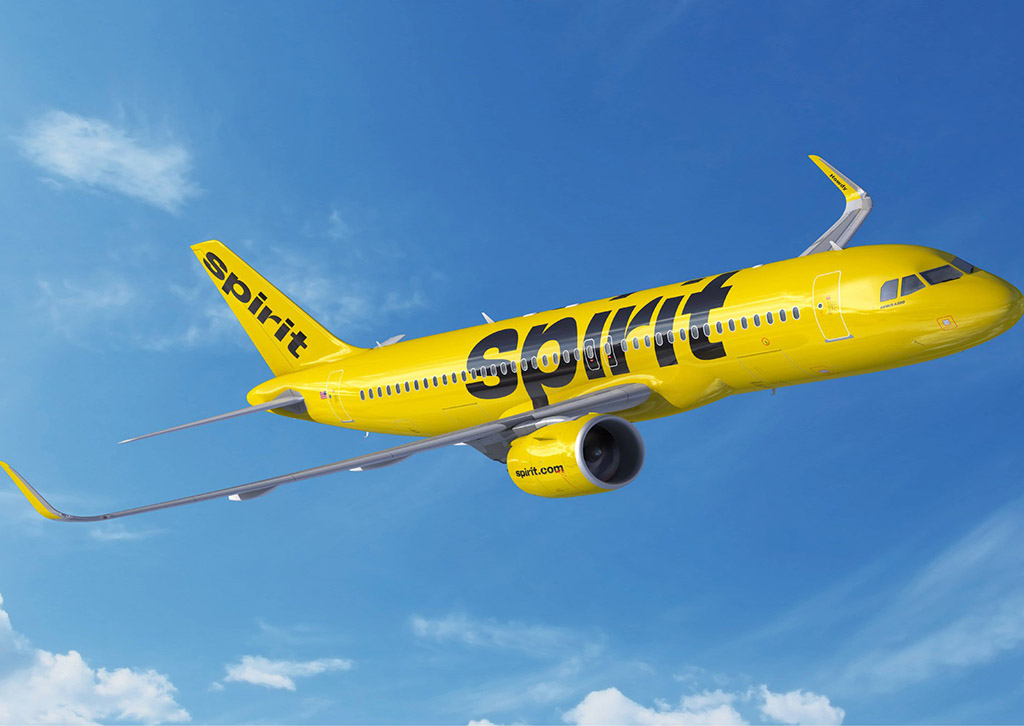
Spirit Airlines consistently advertises the lowest base fares to Las Vegas. However, travelers must factor in fees for baggage, seat selection, and any additional services. While Spirit can be the cheapest option for a solo traveler with only a carry-on, the final cost may rise quickly for families or those requiring more flexibility.
3. Tips for Finding the Best Flight Deals
Finding a cost-effective flight to Las Vegas is not just about choosing the right airline—it also requires strategic planning. Here are some practical tips:
3.1 Flexible Dates
Airfares fluctuate depending on demand. Flying midweek rather than on weekends can significantly reduce ticket prices. If your schedule is flexible, checking multiple departure and return dates often reveals the best deals.
3.2 Early Booking
Booking flights well in advance generally secures lower fares. While last-minute deals exist, they are riskier, especially during peak travel seasons.
3.3 Price Comparison Tools
Using online comparison platforms such as Google Flights, Kayak, or Skyscanner can help travelers quickly identify the cheapest options among multiple airlines. Some platforms also allow fare alerts, notifying you when prices drop.
3.4 Bundled Packages
Some airlines and travel agencies offer bundled deals that combine flights with hotel accommodations. In many cases, these packages provide better overall value than booking separately.
3.5 Airline Newsletters and Loyalty Programs
Subscribing to airline newsletters can alert you to flash sales and exclusive promotions. Additionally, loyalty programs often provide early access to discounted fares or allow redemption of points to lower ticket costs.
4. Evaluating Cost Beyond the Ticket Price
It is essential to consider additional costs that affect the overall value of your flight.
4.1 Baggage Fees
Many low-cost carriers charge fees for checked luggage and even for larger carry-on bags. For travelers planning to bring more than a backpack, factoring in baggage costs is crucial.
4.2 Seat Selection and Comfort
Airline seating policies vary widely. If you value a particular seat location, legroom, or traveling with companions, adding a seat selection fee may be necessary. For longer flights, comfort can outweigh savings from a cheaper ticket.
4.3 Flight Flexibility
Plans change, and a slightly higher fare with flexible change policies can prevent hefty fees later. Legacy carriers and Southwest are usually more accommodating for schedule adjustments than ultra-low-cost airlines.
4.4 Onboard Amenities
Consider the value of complimentary meals, entertainment, and Wi-Fi. While these perks are not essential for short domestic flights, they can enhance the travel experience and reduce costs elsewhere, such as snacks purchased at the airport.
5. Personal Experience: Flying to Las Vegas
During my recent trips to Las Vegas, I experimented with different airlines to determine the most cost-effective options. On one occasion, I booked a Spirit flight, attracted by the $89 base fare. While initially cheap, adding a carry-on bag and seat selection increased the total cost to nearly the same as a Southwest flight, which included two free checked bags and flexible changes. The experience underscored the importance of evaluating total cost rather than ticket price alone.
For another trip, I flew Delta, which offered a slightly higher base fare but included amenities that made the journey comfortable. I also earned SkyMiles, which I could redeem for future trips, further enhancing the overall value.
These experiences suggest that the “cheapest” flight is not always the most cost-effective. Considering luggage, flexibility, comfort, and loyalty benefits can influence which airline provides the best value.
6. Airline Comparison Table
| Airline | Base Fare | Baggage Fees | Seat Selection | Flexibility | Total Value |
| Spirit Airlines | Low | High | Paid | Low | Medium |
| Frontier Airlines | Low | High | Paid | Low | Medium |
| Southwest Airlines | Medium | Free (2 bags) | Free | High | High |
| Delta Airlines | Medium | Included (1 bag, varies) | Included/Optional | Medium | High |
| American Airlines | Medium-High | Included/Optional | Included/Optional | Medium-High | High |
| United Airlines | Medium-High | Included/Optional | Included/Optional | Medium | High |
From the table above, Southwest Airlines often provides the highest total value for domestic travelers prioritizing luggage and flexibility, whereas Spirit and Frontier may be cost-effective for light travelers without baggage needs.
7. Additional Considerations for Las Vegas Travelers
7.1 Direct vs. Connecting Flights
Direct flights may cost more but save time and reduce the risk of delays. If your itinerary is tight or you want to maximize your time in Las Vegas, a slightly higher fare for a nonstop flight could be worth it.
7.2 Airport Transportation
McCarran International Airport is conveniently located near the Strip. Consider how airport location and transportation options may affect overall travel costs. Airlines with direct flights often land at this airport, minimizing taxi or shuttle expenses.
7.3 Travel Insurance
While an added expense, travel insurance can provide coverage for cancellations, delays, or baggage loss. For travelers booking lower-cost fares with stricter policies, insurance can protect against unexpected costs.
8. Final Recommendations
Choosing the most cost-effective airline to Las Vegas depends on individual preferences and travel priorities. Here are key takeaways:
- Evaluate total cost, not just base fare: Include baggage, seat selection, and flexibility in your calculations.
- Consider Southwest for total value: Free checked bags, flexible change policies, and competitive fares make it ideal for many travelers.
- Use low-cost carriers cautiously: Spirit and Frontier can be excellent for solo travelers traveling light, but additional fees may offset initial savings.
- Leverage loyalty programs and promotions: Frequent flyer miles and airline newsletters can unlock additional discounts.
- Book in advance and remain flexible with dates: Timing and day-of-week variations can lead to substantial savings.
Finding the right flight to Las Vegas is a combination of careful planning, understanding airline policies, and matching the choice to your personal travel style. Whether you prioritize budget, comfort, or flexibility, a well-researched flight can enhance your Las Vegas experience even before you arrive on the Strip.
Las Vegas offers endless excitement, and starting your trip with a smart choice in airline sets the tone for a memorable journey. By comparing airlines, understanding fees, and considering the overall value, travelers can confidently select the best option for their needs—and arrive ready to enjoy all the entertainment, dining, and adventure the city has to offer.