Travel Photography Gear: A Practical Experience in Philadelphia
Travel and photography are inseparable for many of us. Each journey is a chance to document moments, capture emotions, and preserve details that words alone cannot describe. When I planned my trip to Philadelphia, a city layered with history, vibrant neighborhoods, and a distinct urban character, I knew my gear choices would define not just the quality of my photos, but also the comfort and enjoyment of my entire journey.
Philadelphia is not a sprawling metropolis like New York, nor is it as compact as Boston. It offers a balanced mix: historic cobblestone streets, modern skyscrapers, colorful murals, and open parks. For a photographer, it’s a city that demands versatility. You need to be ready for street shots, wide-angle architectural captures, indoor museum lighting, and even low-light evening scenes. This article is my practical experience with photography gear in Philadelphia, designed to help you prepare for a rewarding photo adventure in the City of Brotherly Love.
The Core Camera Setup
The foundation of any travel photography kit is the camera body and lenses. For Philadelphia, I brought a full-frame mirrorless camera, which combines high image quality with portability. Weight matters when you’re walking all day, so carrying a bulky DSLR with multiple heavy lenses can quickly drain your energy.
My go-to lenses were:
- 24–70mm f/2.8 zoom: This lens proved indispensable. From photographing Independence Hall to street vendors in Reading Terminal Market, it offered the flexibility to zoom in for details or zoom out for a wider cityscape.
- 16–35mm wide-angle lens: Essential for interiors like the grand architecture of City Hall, and for dramatic perspectives when capturing murals on side streets.
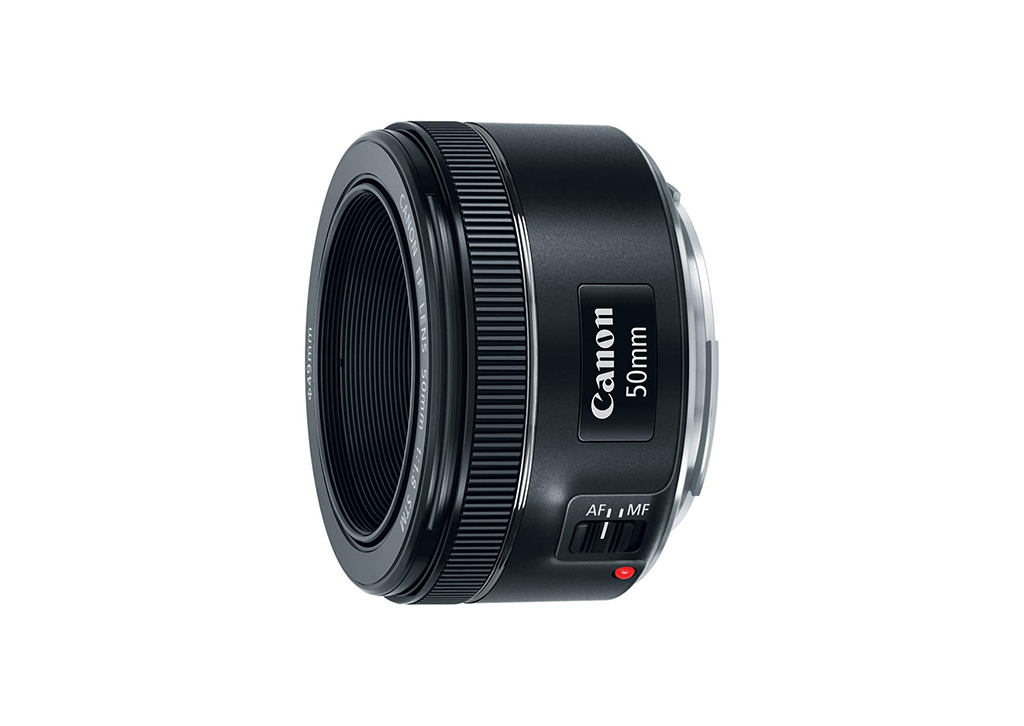
- 50mm prime lens: Small, lightweight, and ideal for low-light conditions in cozy cafés or evening street portraits.
In Philadelphia, I often switched between the zoom and wide-angle lenses. The city’s diverse architecture and artistic corners demanded frequent adaptation. A wide-angle lens, for example, made the interior of the Philadelphia Museum of Art appear majestic, while the zoom lens helped isolate intricate details of the Liberty Bell without distractions from surrounding crowds.
Lightweight Tripod for Urban Exploration
Tripods are often debated in travel photography. Many travelers leave them behind because they’re bulky, but in Philadelphia, a lightweight carbon-fiber tripod became invaluable.
- Evening shots: Capturing the illuminated skyline along the Schuylkill River Trail required long exposures.
- Street photography experiments: In neighborhoods like Old City, I used the tripod to steady my camera for time-lapse sequences of people moving across historic cobblestone paths.
- Self-portraits: Philadelphia is a city where you want yourself in the frame—posing on the “Rocky Steps” at the Philadelphia Museum of Art is a must. A tripod with a remote shutter release made this effortless.
My advice: bring a compact tripod that folds small enough to strap onto a backpack. In urban travel, convenience often determines whether you’ll actually use it.
Carrying Solutions: Backpacks and Sling Bags
A good camera bag is more than storage—it’s your portable workstation. For Philadelphia, I alternated between:
- A padded camera backpack for full-day explorations. It had enough room for two lenses, a tripod, snacks, and a light jacket. Its security features, like hidden zippers, were reassuring in busy areas like the Reading Terminal Market.
- A small sling bag for lighter excursions. When I only needed my camera with one lens, this minimalist option made walking through narrow alleys in Society Hill much easier.
Practical tip: choose a bag that doesn’t scream “expensive camera inside.” Philadelphia is generally safe, but blending in reduces unnecessary attention.
Filters and Accessories
Some photographers underestimate the power of filters, but Philadelphia’s diverse light conditions made them essential.
- Polarizing filter: Perfect for reducing glare when photographing glass skyscrapers in Center City or reflective surfaces along the Schuylkill River.
- ND filter: Allowed me to capture silky smooth water at fountains and blur pedestrian movement in Rittenhouse Square.
- Lens hood: Kept contrast strong when shooting against winter sunlight, particularly when the sun was low in the sky.
Don’t forget extra batteries and memory cards. Cold air can drain batteries faster than usual, and the sheer number of photo opportunities in Philadelphia means you’ll be shooting more than expected.
Street Photography in Philadelphia
Philadelphia is known as the “Mural Capital of the World,” with over 3,600 murals across the city. This makes it a paradise for street photographers. To capture the energy of these neighborhoods, I relied heavily on my 50mm prime lens and occasionally the 24–70mm zoom.
Walking through areas like Fishtown and South Street, I found myself constantly drawn to spontaneous moments: street musicians, quirky storefronts, and locals engaged in conversation. For this kind of shooting:
- Keep your gear accessible: Use a sling bag or wear your camera cross-body to react quickly.
- Use silent shutter mode: It makes candid captures less intrusive.
- Experiment with angles: Kneeling to photograph a mural with pedestrians passing by added scale and context.
Philadelphia’s diversity means every corner has a story. With the right gear, you’ll find yourself immersed in a visual diary of urban life.
Philadelphia has world-class museums: the Philadelphia Museum of Art, the Barnes Foundation, and the Franklin Institute, to name a few. These places challenge photographers with low light and restrictions on flash photography.
Here’s where gear choices matter:
- Fast prime lens (f/1.8 or faster): Ideal for low-light environments. My 50mm prime captured artwork without requiring high ISO, preserving color fidelity.
- In-body stabilization: If your camera has this, it’s a lifesaver when hand-holding at slower shutter speeds.
- Respect rules: Many museums allow photography but prohibit tripods or flash. Travel light and be discreet.
The results? Crisp, vibrant photos of art pieces and architectural details that captured the atmosphere without disturbing the experience of others.
Night Photography and Skyline Views
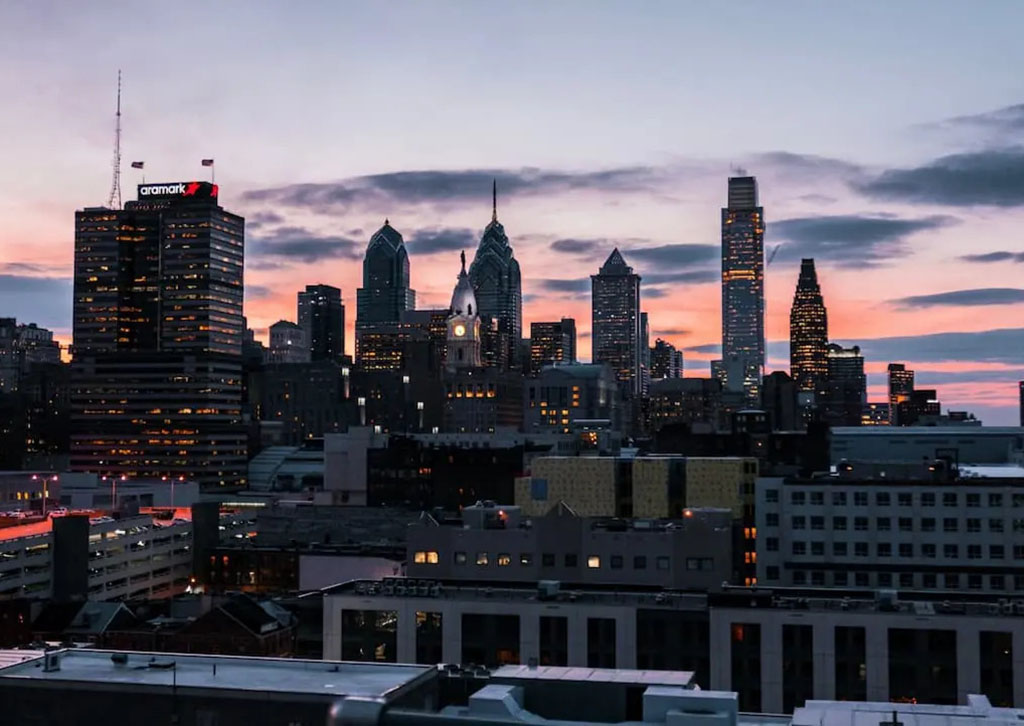
Philadelphia at night offers a different kind of magic. City Hall glowing in the center of Broad Street, bridges lit across the Delaware River, and the skyline reflected in the water—all demand long exposures and steady technique.
Gear that made the difference:
- Compact tripod for stability.
- Wide-angle lens for dramatic skyline views.
- Remote shutter release to eliminate camera shake.
One of my favorite shots was from the South Street Bridge, where the skyline lights shimmered across the river. Without a tripod and ND filter, that smooth reflection would have been impossible.

Smartphones as Backup
Though my main kit was professional-grade, I always kept my smartphone camera as a secondary tool. Philadelphia’s vibrant street food stalls, spontaneous street art, and quirky cafés often demanded quick, discreet captures. Modern smartphones handle these moments brilliantly, and apps allow for rapid editing and sharing.
Tip: pair your smartphone with a small gimbal for stable video. Philadelphia’s bustling markets and lively streets come alive in motion, and a gimbal transforms shaky clips into cinematic sequences.
Balancing Gear and Experience
One of the most important lessons from my Philadelphia trip was balance. As photographers, we sometimes obsess over getting the perfect shot, carrying more equipment than necessary. But a city like Philadelphia deserves to be experienced beyond the lens.
There were moments when I left most of my gear behind, carrying just the camera with one lens. Walking through Independence National Historical Park without the burden of a heavy bag allowed me to slow down, absorb the atmosphere, and take more meaningful shots. Sometimes less gear equals more authentic experiences.
Building Your Philadelphia Photography Kit
After several days of photographing Philadelphia, I refined my setup into a practical and reliable kit that balanced versatility with portability. At the heart of it was a lightweight mirrorless camera body with strong low-light performance, essential for shooting both inside museums and during evening strolls along the waterfront.
For lenses, the 24–70mm zoom became my everyday workhorse, offering enough range for city streets, markets, and portraits. A wide-angle lens proved invaluable when capturing sweeping skyline views from bridges or the intricate interiors of City Hall. Meanwhile, the 50mm prime delivered beautiful sharpness and performed exceptionally well in cozy cafés or dimly lit historic buildings.
A compact carbon-fiber tripod was another must-have. It allowed me to steady long exposures of the skyline reflecting across the Schuylkill River and to take self-portraits on the famous “Rocky Steps.” Alongside this, polarizing and ND filters gave me more creative control—reducing glare from glass towers or smoothing motion in bustling public squares.
Carrying gear comfortably was equally important. I relied on a discreet, ergonomic camera bag with quick access points, which made it easy to swap lenses on the go. Essentials like extra batteries, memory cards, and a remote shutter release ensured I never missed a moment, even during long days outdoors. Finally, I always kept a smartphone paired with a small gimbal for capturing quick videos and candid scenes.
Philadelphia rewards photographers who are prepared yet flexible. With the right gear—and the wisdom to occasionally put the camera down—you’ll bring home images that reflect both its historic gravitas and modern vibrancy.