
Flying to Fort Worth: Airline Comparisons and Choosing the Best Fit for Your Journey
Planning a trip to Fort Worth means more than just mapping out what to see and where to stay—it begins with choosing how you get there. For most travelers, that choice comes down to selecting the right airline. With a mix of full-service carriers and budget-friendly options flying into Dallas–Fort Worth International Airport (DFW) and Dallas Love Field (DAL), the experience you have in the sky can set the tone for your entire visit.
But with so many choices, which airline truly fits your needs? Is it worth paying more for comfort and flexibility, or is saving money on a basic fare the smarter move? This article offers a detailed comparison of major airlines flying into Fort Worth’s gateway airports, highlighting the differences in service, price, convenience, and overall experience.
1. The Two Main Gateways: DFW and DAL
Before diving into the airlines themselves, it’s important to understand where they land:
- Dallas–Fort Worth International Airport (DFW): One of the busiest airports in the world, located between Dallas and Fort Worth. This is the primary hub for American Airlines and a major stop for international and domestic carriers alike. If Fort Worth is your destination, DFW offers the most direct access.
- Dallas Love Field (DAL): A smaller, more traveler-friendly airport closer to downtown Dallas. Southwest Airlines dominates here, offering nonstop flights from many U.S. cities. DAL can be a convenient choice if you don’t mind a slightly longer transfer to Fort Worth.

2. Full-Service Giants: Comfort, Reach, and Loyalty Programs
American Airlines
- Why consider it? American Airlines is headquartered at DFW and offers by far the most nonstop routes into the airport. If convenience and flight frequency are your top priorities, this is the go-to choice.
- Strengths:
- Huge domestic and international network.
- Admirals Club lounges throughout DFW.
- Strong loyalty program (AAdvantage) with excellent upgrade opportunities.
- Weaknesses:
- Economy seats can feel cramped on longer routes.
- Ancillary fees for baggage, seat selection, and onboard food.
- Best for: Frequent flyers, business travelers, and those who value nonstop options.
Delta Air Lines
- Why consider it? Delta doesn’t have a hub at DFW but offers competitive service into the region. Known for its customer service, Delta often earns higher satisfaction scores than its competitors.
- Strengths:
- Consistently ranked highly for on-time performance.
- SkyMiles loyalty program partners with international airlines.
- Delta Comfort+ offers extra legroom at a reasonable price.
- Weaknesses:
- Fewer nonstop options compared to American.
- DAL is not an option—Delta primarily flies into DFW.
- Best for: Travelers who prioritize service quality and reliability over nonstop availability.
United Airlines
- Why consider it? United, like Delta, isn’t based in Texas but offers connections through its hubs (Houston, Chicago, Denver). For many, it’s a practical option depending on departure city.
- Strengths:
- MileagePlus program offers good redemption value.
- Upgraded Polaris business class on select routes.
- Multiple lounges at connecting airports.
- Weaknesses:
- Limited direct routes into DFW.
- Mixed customer service reputation.
- Best for: Travelers already loyal to United or those connecting from its hub cities.
3. Budget-Friendly Airlines: Low Prices with Trade-Offs
Southwest Airlines
- Why consider it? Southwest is the sole dominant carrier at DAL and is a favorite for budget-conscious travelers. With two free checked bags included and a flexible change policy, it stands apart from many low-cost competitors.
- Strengths:
- No change fees and generous baggage allowance.
- Open seating can be a plus if you board early.
- Fun, casual onboard atmosphere.
- Weaknesses:
- No assigned seating, which some travelers dislike.
- Fewer international connections.
- DAL location means a longer drive to Fort Worth.
- Best for: Leisure travelers, families, and anyone prioritizing flexibility and affordability.
Spirit Airlines
- Why consider it? Spirit offers ultra-low-cost fares into DFW, appealing to travelers who want the absolute cheapest ticket.
- Strengths:
- Often the lowest base fares available.
- Young fleet of aircraft.
- Weaknesses:
- Fees for everything from carry-ons to seat selection.
- Limited legroom and no-frills service.
- Less reliable for on-time arrivals compared to legacy carriers.
- Best for: Backpackers, solo travelers, or those who pack light and don’t mind basic service.
Frontier Airlines
- Why consider it? Similar to Spirit, Frontier operates as an ultra-low-cost carrier, offering cheap fares into DFW.
- Strengths:
- Very low base fares.
- Seasonal promotions can be unbeatable.
- Weaknesses:
- High fees for add-ons.
- Limited flight frequency—missed flights can mean long waits for rebooking.
- Best for: Budget-conscious travelers flexible with timing.
4. International Carriers: Gateway to the World
For travelers coming from overseas, DFW is the main entry point. Several international airlines serve the region, offering comfort and global connectivity.
- British Airways: Direct flights from London to DFW, excellent business class cabins.
- Lufthansa: Direct service from Frankfurt, great for connecting across Europe.
- Qatar Airways: One of the highest-rated airlines globally, offering flights from Doha to DFW with exceptional service quality.
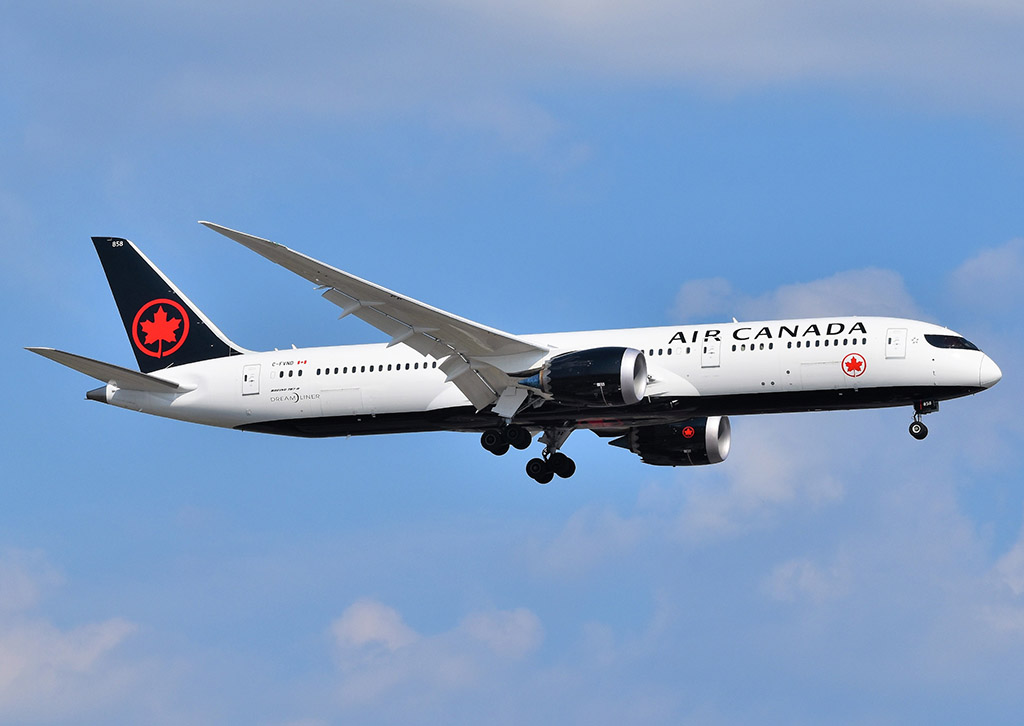
- Air Canada: Convenient for travelers from Toronto or Montreal connecting into Texas.
Best for: International visitors or those connecting beyond the U.S.
5. Key Factors to Consider When Choosing an Airline
Choosing the right airline isn’t just about price—it’s about what matters most to you as a traveler. Here are the main factors:
- Price vs. Value: Budget airlines may look cheaper, but once you add luggage fees and seat selection, a full-service airline could be a better deal.
- Nonstop Options: If you’re short on time, nonstop flights—primarily from American Airlines and Southwest—are worth the extra cost.
- Comfort: For taller passengers or long-haul flights, seat pitch and cabin amenities matter. Delta and some international carriers excel here.
- Flexibility: If your plans may change, Southwest’s no-change-fee policy is unbeatable.
- Loyalty Programs: Frequent travelers should consider which airline’s loyalty program aligns with their habits and destinations.
- Airport Preference: DAL is smaller and easier to navigate but requires more travel time to Fort Worth; DFW offers the most choices and connections.
6. Scenario-Based Recommendations
To make the choice easier, here are recommendations based on traveler type:
- Business Traveler: American Airlines for nonstop frequency and DFW hub access.
- Family Vacation: Southwest Airlines for free bags, flexibility, and family-friendly boarding.
- Budget Backpacker: Spirit or Frontier, provided you travel light and accept no-frills.
- Luxury Seeker: International carriers like Qatar Airways or British Airways, or American’s business class for domestic premium comfort.
- Frequent Flyer: Stick with your preferred loyalty program (Delta SkyMiles, United MileagePlus, or American AAdvantage) for maximum rewards.
Flying into Fort Worth offers a wide variety of options, and each one caters to very different priorities. Travelers today are faced with an increasingly diverse landscape of airlines, ranging from full-service giants with global reach to no-frills carriers that focus entirely on affordability. This variety is a positive thing, but it also means that the choice of airline becomes an important decision that can shape the beginning of your trip. Some travelers will want the reliability, frequent schedules, and network connections of a major carrier like American Airlines, which dominates at DFW. Others might be drawn to the relaxed policies and family-friendly approach of Southwest Airlines at Dallas Love Field. For those who prioritize cost above all else, ultra-low-cost carriers such as Spirit or Frontier can provide unbeatable base fares—though these come with trade-offs in comfort and amenities.
What makes the decision even more nuanced is the choice between the two airports serving the region. Dallas–Fort Worth International (DFW) is among the busiest airports in the world, with a vast number of nonstop domestic and international connections. It is the obvious choice for travelers seeking convenience, especially if Fort Worth itself is the main destination. Dallas Love Field (DAL), on the other hand, is smaller and easier to navigate, with shorter security lines and a less overwhelming layout. However, DAL is dominated by Southwest Airlines, so your choices will be more limited in terms of carriers. That said, if you value a stress-free airport experience and don’t mind the slightly longer transfer time to Fort Worth, DAL can be a very appealing option.
The key is to balance comfort, cost, and convenience with your personal travel goals. A business traveler with tight schedules might pay extra for the guaranteed frequency of flights from a hub carrier, while a family going on vacation might appreciate the free checked bags and flexibility that come with Southwest. A solo backpacker may find the stripped-down service of an ultra-low-cost airline perfectly acceptable if it saves them money to spend at their destination.
Ultimately, your airline choice should align with the kind of trip you want to have. The journey itself is not just a way to get from point A to point B—it sets the tone for everything that follows. With a bit of research and thoughtful planning, you can ensure that the flight into Fort Worth becomes not a hassle, but the first memorable chapter of your adventure.