Kansas City Art and History Journey: A Complete Travelogue
Kansas City may not be the first destination that comes to mind when you think of American art and history, yet this Midwestern city has long been a cultural powerhouse. Its rich legacy stretches from jazz and barbecue to architecture, murals, and world-class museums. My journey through Kansas City became less about sightseeing and more about stepping into layers of creativity, resilience, and storytelling that have shaped both the city and the wider United States.
First Impressions of a City with Layers
Arriving in Kansas City, one of the first things I noticed was how seamlessly the city blends the old with the new. Modern glass towers rise alongside Beaux-Arts buildings, and wide boulevards echo the city’s ambition to be the “Paris of the Plains.” Kansas City’s urban design—punctuated with fountains, sculptures, and parks—creates an environment where art and history are not confined to museums but are woven into the cityscape.
Walking through the downtown area, I immediately stumbled upon public art pieces. Massive murals cover entire building façades, often telling stories of the community’s struggles and triumphs. These artworks invite you to pause, reflect, and connect before even entering a museum.
The Nelson-Atkins Museum of Art: A Treasure Trove
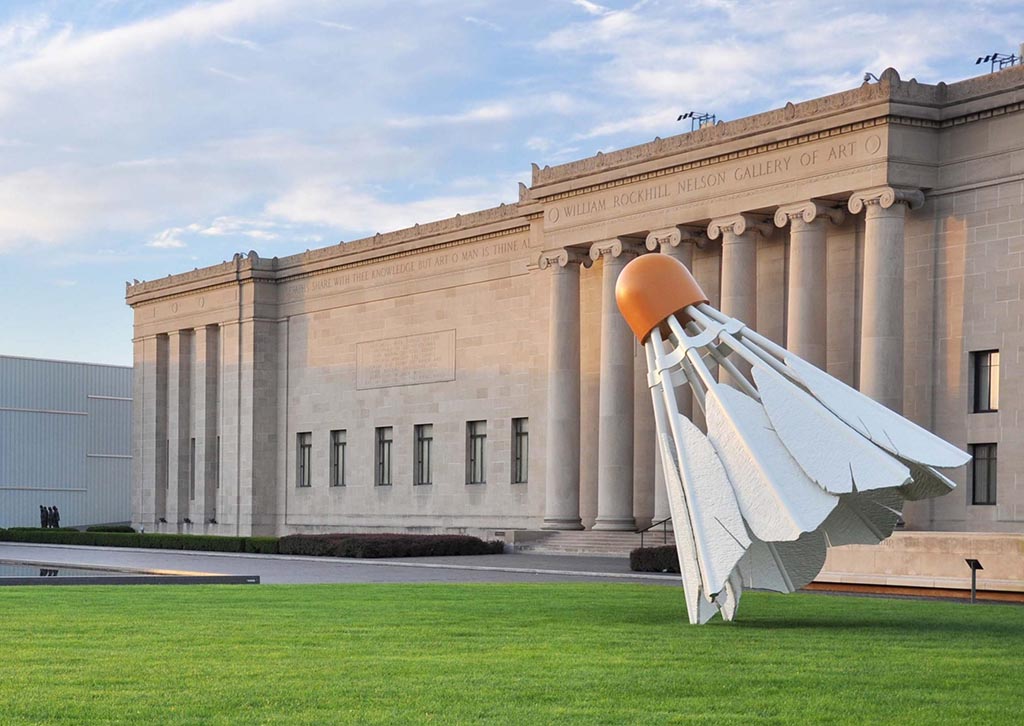
The crown jewel of Kansas City’s art scene is undoubtedly the Nelson-Atkins Museum of Art. The museum’s exterior alone is iconic, thanks to Claes Oldenburg’s gigantic Shuttlecocks sculptures that dot the lawn like whimsical guardians of creativity.
Inside, I embarked on a journey across continents and centuries. The museum houses everything from ancient Egyptian relics to contemporary photography. A highlight for me was the expansive collection of Asian art, which includes serene Buddhist sculptures and intricate Chinese ceramics. The Native American galleries, too, are deeply moving, offering a glimpse into traditions that predate Kansas City itself.
What makes Nelson-Atkins remarkable is its balance between grandeur and accessibility. Admission is free, and visitors wander at their own pace, discovering not just masterpieces but also quiet corners where a single painting commands attention.
The National WWI Museum and Memorial: A Story of Sacrifice
Just a short walk from downtown, the National WWI Museum and Memorial rises with solemn dignity. The Liberty Memorial tower dominates the skyline, and climbing to its top offers sweeping views of the city. But the real impact lies inside the museum itself.
Crossing a glass bridge over a field of 9,000 red poppies—each symbolizing 1,000 combatant deaths—you are immediately reminded of the immense human cost of the Great War. The exhibits are immersive, filled with artifacts like uniforms, letters, weapons, and even a recreated trench.
What struck me most was the global perspective. The museum doesn’t simply focus on America’s role but instead situates the conflict in an international context, showing how interconnected the world already was a century ago. For anyone interested in history, this museum is not just informative—it is profoundly emotional.
Union Station: Where History Meets Modern Energy
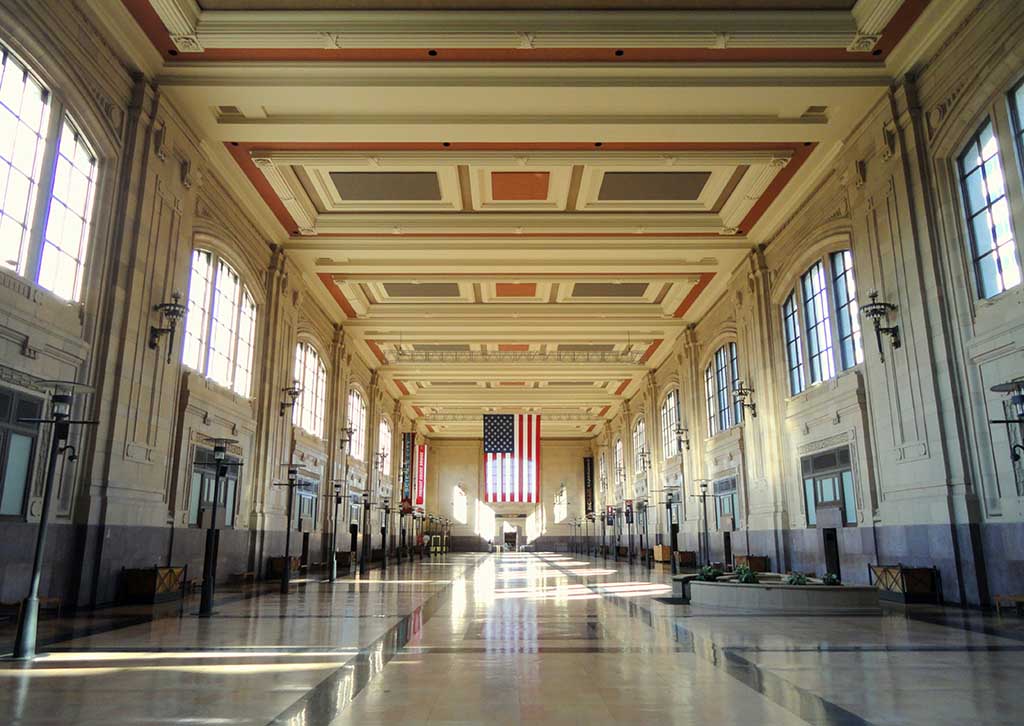
Another landmark that blends history and art is Union Station, a Beaux-Arts masterpiece built in 1914. Once a bustling hub for cross-country train travel, the station fell into decline before being restored to its former glory. Today, it houses theaters, rotating exhibits, restaurants, and even a science center.
Walking through the grand hall, with its 95-foot ceilings and ornate chandeliers, feels like stepping back into the golden age of rail travel. Photographs of soldiers departing for World War I and families reuniting after long separations remind visitors that Union Station is more than architecture—it’s a living witness to Kansas City’s past.
At night, the exterior is lit up, and the station becomes a gathering place for both locals and travelers. It is an enduring example of how a city can breathe new life into its historic landmarks.
The Jazz Legacy: Music as Living History
No exploration of Kansas City’s cultural history would be complete without jazz. In the early 20th century, the city became a hotbed of musical innovation, nurturing legends like Count Basie and Charlie Parker.
I spent an evening at the American Jazz Museum in the historic 18th & Vine district. The museum tells the story of jazz through interactive exhibits, instruments, and recordings, but the real magic happens after dark. Nearby clubs like the Blue Room and the Mutual Musicians Foundation carry on the tradition, offering live performances that feel both timeless and urgent.
Sitting in a dimly lit club, with a saxophone wailing and the rhythm section driving the energy, I understood why Kansas City jazz is considered a turning point in American music. It is history you can still hear, feel, and dance to.
Murals and Street Art: The City as Canvas
Beyond the museums, Kansas City is a city of murals. Neighborhoods such as Crossroads Arts District are filled with walls that celebrate diversity, resilience, and creativity.
One of the most striking murals I encountered depicted local heroes from various backgrounds—athletes, activists, musicians—creating a collage of inspiration. Another wall featured bright geometric designs that seemed to energize the entire block.
What makes Kansas City’s street art remarkable is how it is rooted in the community. Many projects are collaborations between artists and residents, reflecting shared experiences. Unlike curated museum exhibits, these murals are raw and immediate, reflecting the pulse of the present while honoring the past.
The Negro Leagues Baseball Museum: Stories of Courage
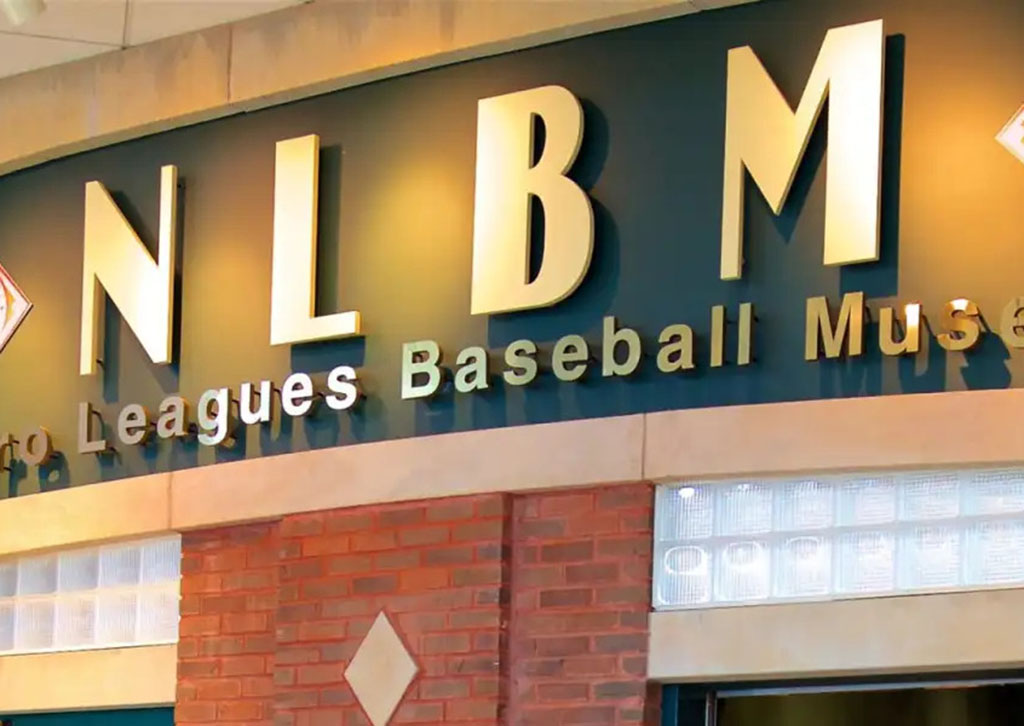
Baseball may be America’s pastime, but for decades it was segregated. Kansas City played a central role in the history of the Negro Leagues, and today the Negro Leagues Baseball Museum preserves that legacy.
Walking through the museum, I learned about players like Satchel Paige and Jackie Robinson, who overcame enormous obstacles to pursue their passion. Photographs, uniforms, and interactive displays bring their stories to life.
Perhaps the most moving part of the museum is the field of bronze statues representing legendary players. Standing among them, you sense not only the athleticism but also the courage it took to play in an era defined by racial barriers.
Architecture and Historic Neighborhoods
Kansas City’s history is also written in its neighborhoods. Westport, one of the oldest districts, was once a key stop for pioneers heading west. Today, its historic buildings house trendy shops, cafes, and bars, blending the past with the present.
Meanwhile, the Country Club Plaza, designed in the 1920s, showcases Spanish-inspired architecture. Its tiled roofs, fountains, and ornate towers make it feel like a European cityscape transplanted to the Midwest. Walking its streets, I realized that Kansas City’s commitment to beauty extends far beyond its museums.
Food as Cultural History
Kansas City is as famous for its barbecue as it is for its art, and food here is more than just a meal—it is part of the city’s cultural heritage. Each barbecue joint tells its own story, from family-owned establishments to modern interpretations.
I sat down for a plate of slow-smoked ribs with a tangy-sweet sauce that Kansas City is known for. Around me, locals debated which restaurant was the best, proving that barbecue here is as much a community identity as it is cuisine.
Beyond barbecue, Kansas City also has a growing farm-to-table scene that reflects both tradition and innovation, echoing the city’s broader cultural narrative.
My journey through Kansas City revealed a city that treasures its past while continuing to reinvent itself in remarkable ways. Walking through its streets, it became clear that this is not simply a place where history is preserved behind glass; rather, history lives in dialogue with the present. From the silent power of the National WWI Museum to the infectious rhythm of jazz clubs echoing in the 18th & Vine district, Kansas City demonstrates how memory and creativity can co-exist. The monumental murals that stretch across buildings tell stories of resilience and identity, while delicate artifacts in museums remind visitors of the long arcs of time that have shaped the city’s character.
This is a city that tells its story boldly—through music, murals, architecture, and food. The jazz scene still pulses with the energy of improvisation, carrying the spirit of legends into every note. The barbecue tradition, fiercely debated and lovingly preserved, turns meals into cultural rituals. Architectural landmarks like Union Station and the Country Club Plaza weave beauty into everyday life, showing how design can also be a form of storytelling. Every corner I turned offered a new perspective, a reminder that culture is not confined to the coasts or to larger metropolises. The heartland of America beats just as strongly here, with Kansas City standing proudly as one of its most vibrant cultural centers.
When I finally left, I carried with me far more than photographs or souvenirs. I carried a deeper appreciation for the way history and creativity shape communities, how art can spark dialogue, and how music and food can connect people across generations. Kansas City left an impression not just on my itinerary but on my understanding of how cities preserve their identity while embracing reinvention.
Kansas City is not a destination you simply visit; it is a place you experience, absorb, and remember long after you’ve gone. Its story lingers—in the sound of a trumpet solo, the taste of smoky barbecue, the sight of a mural at sunset—and invites you to return, ready to discover even more.