Solo Travelers’ Guide: The Best Travel Books for Exploring Chicago
Chicago, the Windy City, is a destination that effortlessly blends architectural marvels, vibrant neighborhoods, and a thriving cultural scene. For solo travelers, the city offers a unique combination of independence and discovery, making it a playground for exploration at your own pace. Yet, the key to maximizing your experience often lies in preparation—and nothing prepares a traveler better than the right guidebooks and travel literature. In this article, we explore some of the best travel books for solo travelers heading to Chicago, providing insight into the city’s history, attractions, food, and hidden gems.
Why Travel Books Matter for Solo Travelers
Traveling alone in a metropolis as vast and diverse as Chicago can be exhilarating—but also a little overwhelming. While technology offers instant access to maps and reviews, traditional travel books provide depth, context, and curated recommendations that apps sometimes miss. For solo travelers, they are particularly valuable because:
- Structured Itineraries: A good travel book can help plan your day efficiently, allowing you to balance must-see attractions with hidden corners of the city.
- Historical Context: Understanding the stories behind landmarks enriches your visit and makes each stop more meaningful.
- Cultural Insight: Books often highlight cultural nuances, local festivals, and neighborhoods that might otherwise be overlooked.
- Safety Tips: While Chicago is generally safe for tourists, solo travelers benefit from travel books’ insights on which areas are best explored alone and which require caution.
With these advantages, a curated selection of travel books can transform a solo trip into a seamless, immersive experience.
1. “Lonely Planet Chicago”
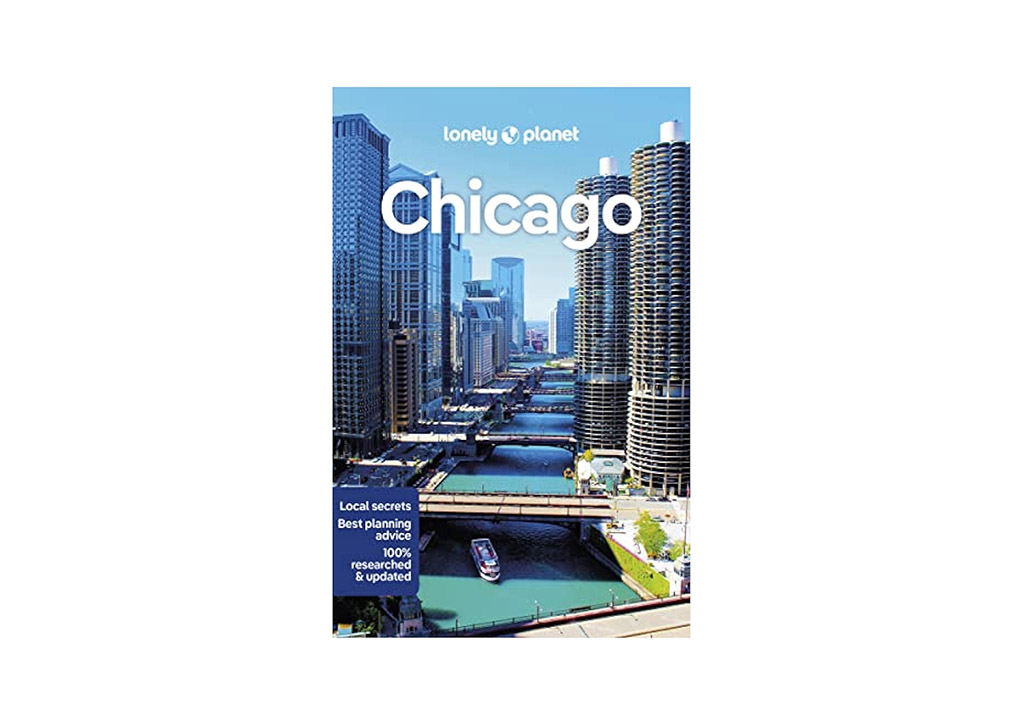
Perhaps the most well-known travel guide for global explorers, Lonely Planet Chicago is indispensable for solo travelers. It offers practical tips on transportation, neighborhood guides, and recommended itineraries tailored to varying lengths of stay.
The book’s strength lies in its organization. Each neighborhood—from the art-filled streets of the Loop to the lakefront charm of Hyde Park—is broken down with detailed maps, recommended restaurants, attractions, and even shopping spots. Solo travelers will appreciate the emphasis on walking tours and public transport options, which provide both flexibility and safety.
In addition to logistics, Lonely Planet delves into Chicago’s rich architectural history, highlighting works by Frank Lloyd Wright, Louis Sullivan, and Mies van der Rohe. For those exploring solo, these narratives offer not only sightseeing suggestions but also engaging stories to accompany each stop.
2. “Fodor’s Chicago”
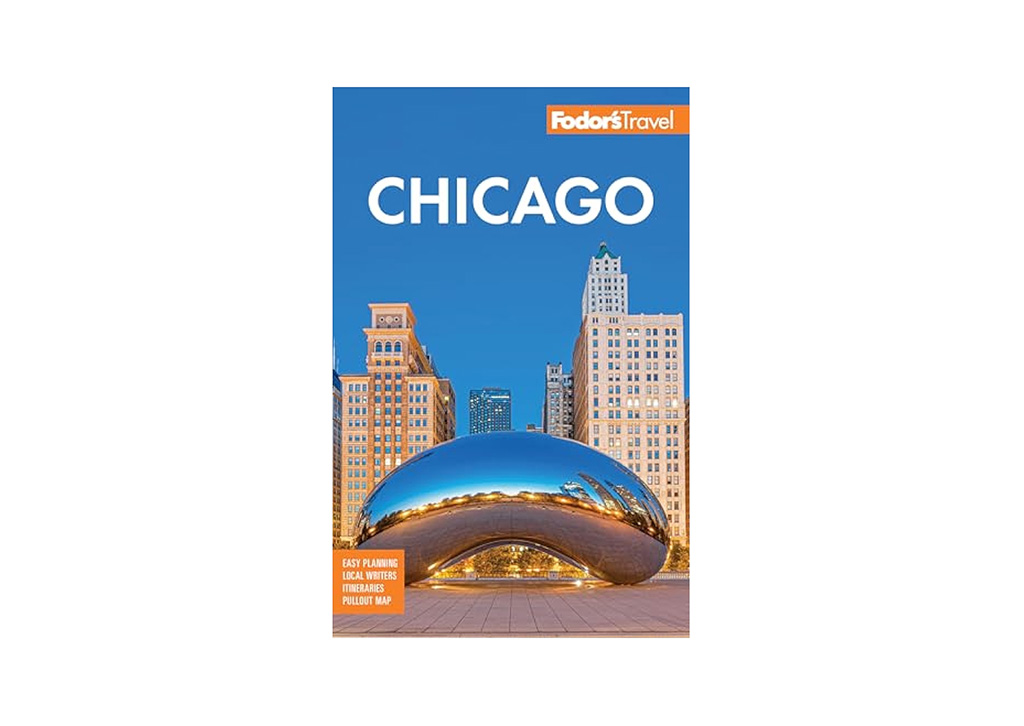
Fodor’s Chicago is another excellent guide that balances traditional travel advice with modern insights. This book caters to travelers who prefer a more structured approach, offering curated itineraries and clear recommendations for different budgets.
What sets Fodor’s apart is its emphasis on experiences. Solo travelers can easily find lists of activities such as riverboat architecture tours, jazz performances, and culinary adventures through Chicago’s diverse neighborhoods. The guide also includes helpful safety advice, tips for using the city’s extensive public transit system, and suggestions for solo-friendly dining spots.
Additionally, Fodor’s includes offbeat attractions, from independent galleries in Wicker Park to hidden speakeasies, which help solo travelers create a personalized journey beyond the typical tourist circuit.
3. “DK Eyewitness Travel Guide: Chicago”
For travelers who appreciate visuals, the DK Eyewitness Travel Guide: Chicago is a standout. Its full-color photographs, detailed maps, and 3D illustrations of buildings provide a vivid sense of the city before you even arrive.
Solo travelers will find this especially useful for navigating Chicago’s sprawling streets and planning photo-friendly itineraries. The guide also highlights Chicago’s signature architecture, art museums, and historical landmarks, making it easy to understand the city’s evolution and cultural significance.
The DK Eyewitness guide also includes thematic sections, such as “Best of Chicago’s Food Scene” and “Hidden Gems,” which are perfect for independent explorers seeking experiences off the beaten path. Its visual approach makes it easy to identify points of interest at a glance, saving time and energy while moving around the city alone.
4. “Moon Chicago”
Moon Chicago is known for its narrative style, blending practical travel advice with rich storytelling. For solo travelers, this book reads almost like a companion, offering anecdotes, historical insights, and tips from locals.
The guide covers not only popular attractions but also niche neighborhoods, artisanal markets, and cultural festivals that might otherwise be missed. Its thematic chapters—such as “Chicago by Foot,” “Art and Architecture,” and “Music and Nightlife”—allow solo travelers to focus on personal interests while ensuring a comprehensive experience.
Furthermore, Moon Chicago emphasizes flexibility, ideal for solo travelers who may want to adapt itineraries spontaneously. Whether it’s wandering through Millennium Park, exploring Logan Square, or taking a lakefront bike ride, the book provides context, history, and practical guidance for each adventure.
5. “Chicago: A Food Lover’s Guide”
For those who define travel by culinary experiences, Chicago: A Food Lover’s Guide is a must-have. Chicago is renowned for its deep-dish pizza, hot dogs, and international cuisine, and this book offers curated restaurant lists, street food recommendations, and neighborhood food tours.
Solo travelers often face the challenge of dining alone, but this guide highlights casual, solo-friendly spots where the focus is on authentic experiences rather than formal dining. It also includes tips for sampling local breweries, visiting farmers’ markets, and discovering hidden coffee shops perfect for reflective breaks between sightseeing.
By combining maps, reviews, and personal anecdotes, this guide ensures that solo travelers don’t miss out on the city’s culinary treasures. It turns food into a narrative experience, allowing each meal to become a memorable part of the journey.
6. “Secret Chicago”
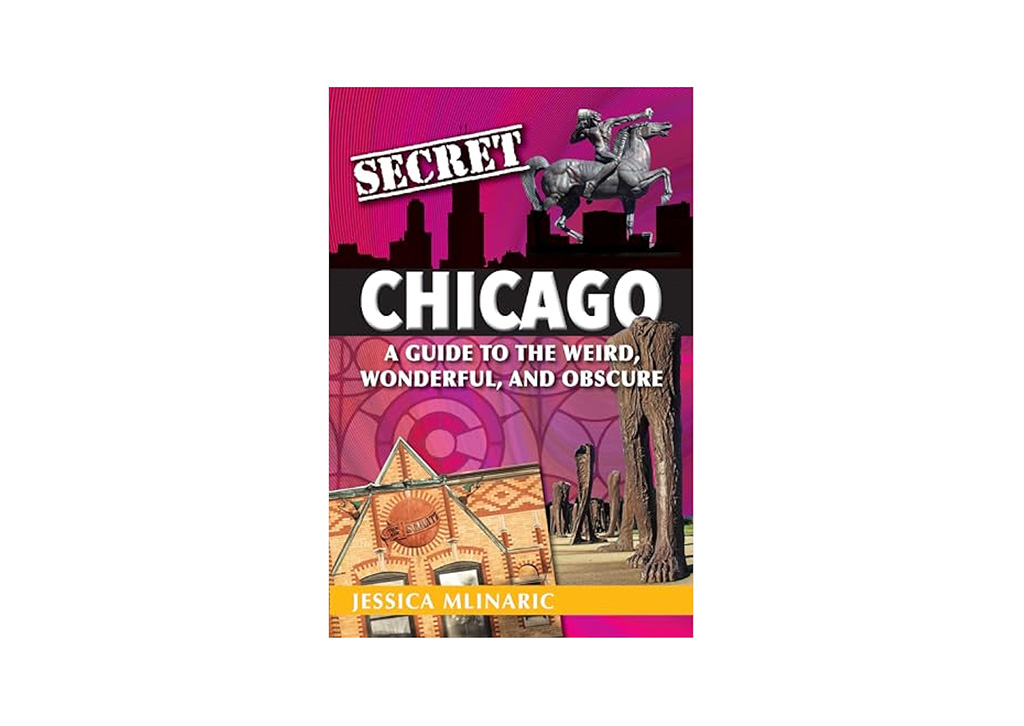
For solo travelers who enjoy uncovering hidden corners of the city, Secret Chicago is an invaluable companion. The book focuses on little-known attractions, quirky landmarks, and offbeat activities that might not make it into mainstream travel guides.
Exploring Chicago alone offers the freedom to wander and follow curiosity, and this book enhances that freedom by providing insider knowledge. From secluded gardens and street art alleys to underground music venues and local festivals, Secret Chicago invites travelers to engage with the city in unexpected ways.
Solo travelers will particularly enjoy the “self-guided adventures” sections, which encourage exploration at a personalized pace. These itineraries are ideal for discovering Chicago’s authentic spirit away from the crowds.
7. “Architecture and Design in Chicago”
Chicago is often called the birthplace of modern architecture, and for those interested in design, this book is indispensable. Solo travelers with a passion for architecture can explore the city through the lens of its most iconic buildings, neighborhoods, and public spaces.
The book details landmark skyscrapers, historic theaters, and residential designs, complete with illustrations and historical notes. Walking tours suggested within the book allow solo travelers to combine sightseeing with personal reflection, making architectural exploration a deeply engaging experience.
Additionally, the book includes profiles of renowned architects and the evolution of Chicago’s skyline, giving context to the visual spectacle that unfolds across the city’s streets. Solo travelers gain both knowledge and inspiration as they navigate the urban landscape.
8. “Chicago Neighborhoods: A Traveler’s Guide”
While most guides focus on major landmarks, Chicago Neighborhoods: A Traveler’s Guide emphasizes the distinct personalities of each community. For solo travelers, this is crucial: it allows exploration beyond the tourist hotspots and offers a deeper understanding of local culture.
The book covers everything from the bustling streets of the Loop to the artistic vibe of Pilsen, the blues heritage of Bronzeville, and the lakefront charm of Edgewater. Each chapter includes suggested itineraries, dining options, cultural highlights, and even walking tours, helping solo travelers navigate each neighborhood confidently.
This guide ensures that independent travelers experience Chicago as both a local and a visitor, blending mainstream attractions with hidden treasures.
9. “Chicago History and Culture Handbook”
Understanding a city’s past enhances the solo travel experience, and Chicago History and Culture Handbook provides that depth. It chronicles the city’s development, from its founding and rebuilding after the Great Fire to its role in music, politics, and industry.
Solo travelers can use this book to contextualize their visits to landmarks like the Art Institute of Chicago, Millennium Park, or the Chicago Cultural Center. The narrative style makes history engaging and digestible, turning walking tours and museum visits into rich learning experiences.
Moreover, the book includes thematic walking routes, recommended reading, and local anecdotes, making it a companion for travelers who value insight alongside sightseeing.
10. “Chicago on a Budget”
Finally, for solo travelers mindful of expenses, Chicago on a Budget is an essential resource. It highlights free attractions, budget-friendly dining, affordable accommodations, and cost-effective ways to explore the city’s neighborhoods.
Solo travelers benefit from this guide because it encourages independent planning without financial stress. From free museum days to scenic lakefront trails, the book ensures that exploring Chicago remains enjoyable and accessible.
It also provides tips for using public transit efficiently, attending affordable cultural events, and finding discounts on tours and activities—perfect for maximizing both experience and value.
Traveling solo in Chicago offers freedom, flexibility, and the chance for genuine discovery. Yet, even the most adventurous travelers can benefit from guidance, context, and curated recommendations. Travel books are more than just sources of information—they are companions that enhance the journey, enrich understanding, and provide the tools to navigate the city confidently.
Whether you’re wandering through iconic architecture, indulging in deep-dish pizza, exploring hidden alleys, or immersing yourself in the city’s music scene, the right guidebooks make every step meaningful. From practical guides like Lonely Planet and Fodor’s to niche resources focused on neighborhoods, architecture, or cuisine, there’s a wealth of literature to equip solo travelers for a rewarding Chicago experience.
So, pack your backpack, bring along your favorite travel book, and let Chicago unfold at your own pace—one street, one museum, one delicious meal at a time.